


“Dingxin Beike – Automation” Distinguished Lecture Series: 2020 Instrumentation Forum (Session VI)
On September 13, 2020, the School of Automation held the sixth session of the “Dingxin Beike – 2020 Instrumentation Forum.” The keynote speakers were Researcher Miao Yinxiao, Director of the Beijing Institute of Aerospace Measurement and Testing Technology, and Professor Hua Dengxin, Vice President of Xi’an University of Technology. The session was chaired by Dean Zhang Zhaohui, with Vice Dean Li Xisheng, Professor Lan Jinhui, Head of the Department of Instrumentation Science and Technology, Professor Chen Xianzhong, Director of the Institute of Automatic Control, and nearly 200 faculty members and students in attendance.
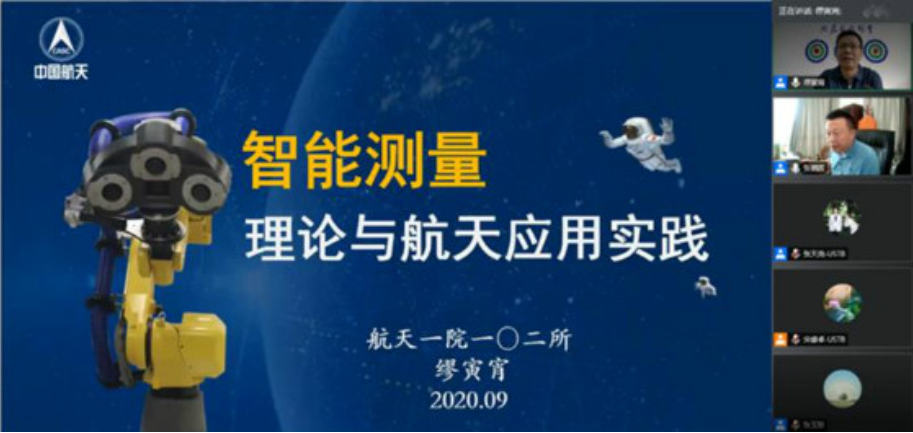
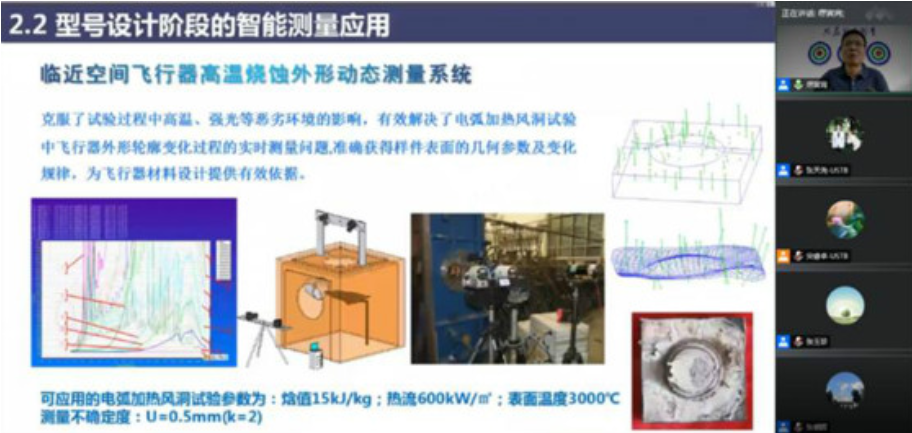
Researcher Miao Yinxiao delivered a lecture titled Intelligent Measurement Theory and Aerospace Applications. Starting from the familiar example of a vernier caliper, he introduced the differences between intelligent measurement and traditional measurement in a clear and progressive manner, explaining the crucial role of intelligent measurement in intelligent manufacturing. He then presented applications of intelligent measurement systems throughout the rocket manufacturing process—from model design and key component production to testing and assembly—demonstrating their capabilities in high precision, high dynamics, wide-range adaptability, and autonomous decision-making in complex environments. Finally, Miao discussed future trends in measurement technologies for intelligent manufacturing and engaged in an hour-long interactive discussion with faculty and students from the Department of Instrumentation.
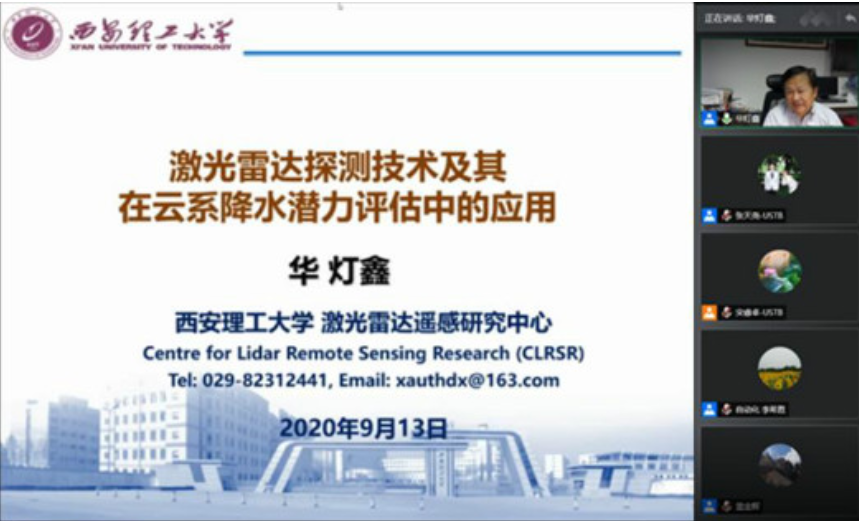
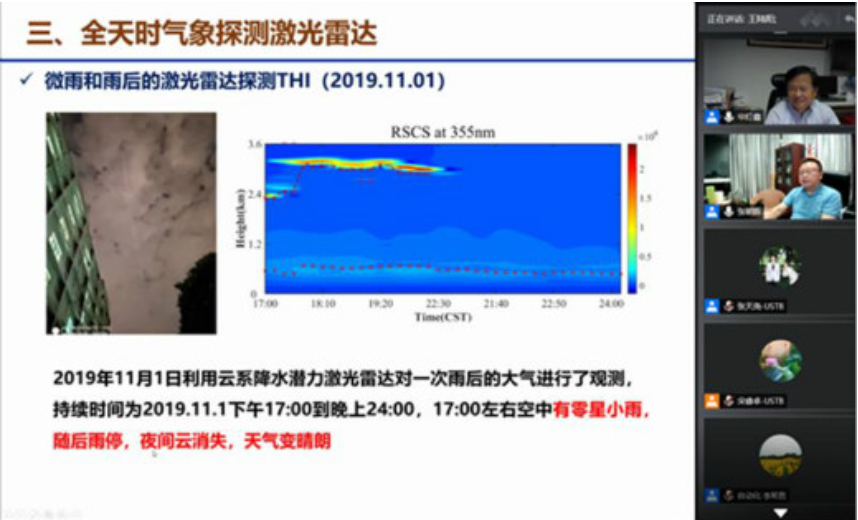
Professor Hua Dengxin gave a lecture titled Lidar Atmospheric Detection Technology and Its Application in Cloud and Precipitation Forecasting. Beginning with the interaction mechanisms between laser and atmospheric matter, he explained the principles and advantages of lidar in meteorological detection and showcased its applications in urban pollution source monitoring and aerosol detection. He further introduced the all-weather meteorological detection lidar developed by his research team at Xi’an University of Technology for assessing cloud system precipitation potential and analyzed the major technical bottlenecks in lidar applications. In conclusion, Professor Hua shared his insights in response to questions raised by faculty and students.
The two frontier lectures on instrumentation science and technology were highly engaging and informative. The enthusiastic discussions that followed enriched academic exchange and broadened participants’ research perspectives. Faculty and students alike expressed that they had greatly benefited from the event.