

“Dingxin Beike – Automation” Distinguished Lecture Series: Fund Application Exchange and Sharing Session & Young Faculty Academic Forum (Session II)
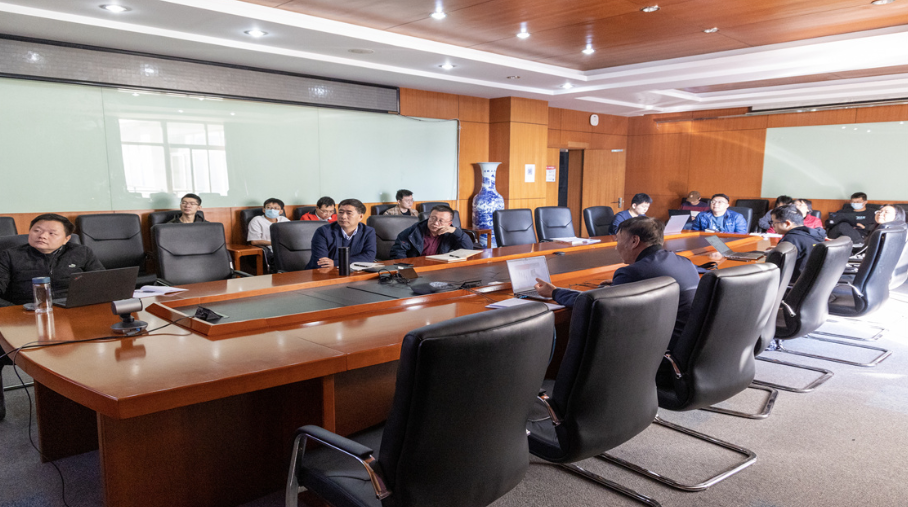
To promote academic spirit, foster scholarly exchange, and enhance academic standards while advancing discipline development, the School of Automation launched the “Dingxin Beike – Automation” Distinguished Lecture Series. The series aims to strengthen organized scientific research, cultivate top-tier talent, build strong teams and platforms, undertake major projects, and achieve high-impact outcomes. The first lecture of 2022 was successfully held on November 3 in Room 1104B, combining both online and in-person participation. The meeting was chaired by Vice Dean Peng Kaixiang, with Dean Zhang Zhaohui providing guidance. More than 200 faculty members and students attended the event both online and offline.
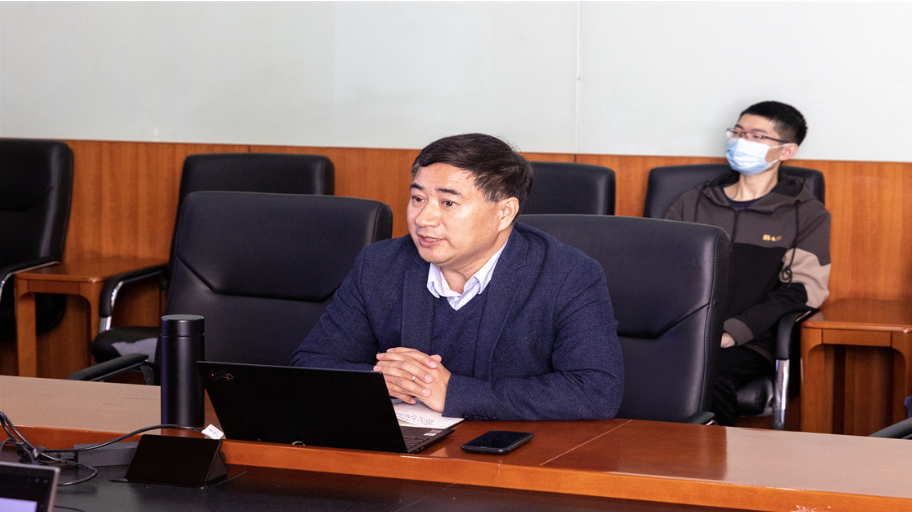
At the beginning of the session, Vice Dean Peng introduced the background of the School’s organized research seminar series. He emphasized that by facilitating research exchanges, the School aims to advance collaborative and organized scientific research and achieve greater breakthroughs in major projects and results. He also noted that the event was open to both undergraduate and graduate students to help them better understand the School’s research fields, broaden their scientific perspectives, leverage research strengths, and promote the integration of research and education.
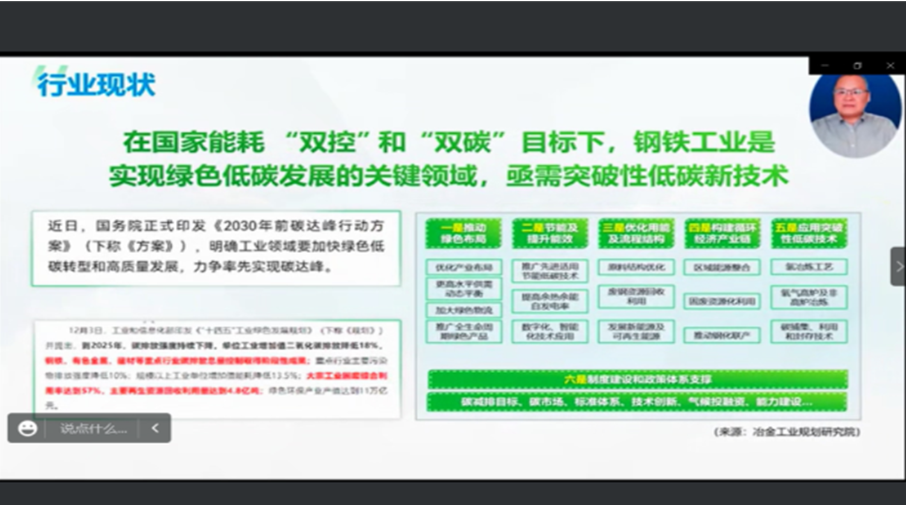
The featured speakers for this session were Professor Zhang Yifang and Dr. Hu Yanpeng. Professor Zhang Yifang discussed innovative low-carbon technologies urgently needed in the steel industry under the national “Dual Control of Energy Consumption” and “Dual Carbon” goals. Starting from innovation and market demand, he explained how interdisciplinary collaboration and synergistic innovation can transform or replace existing products, leading to new product structures and emerging industrial patterns. Through research cases such as low-carbon flash smelting and LTCC electronic materials, he illustrated how interdisciplinary research drives technological progress. Zhang also stressed the importance of leveraging information technology to mine, analyze, and integrate data across disciplines, breaking down information silos and enabling data sharing. He concluded by calling for full use of the university’s multidisciplinary strengths and academic exchange platforms to promote industry–university–research collaboration and accelerate the industrialization of scientific achievements.
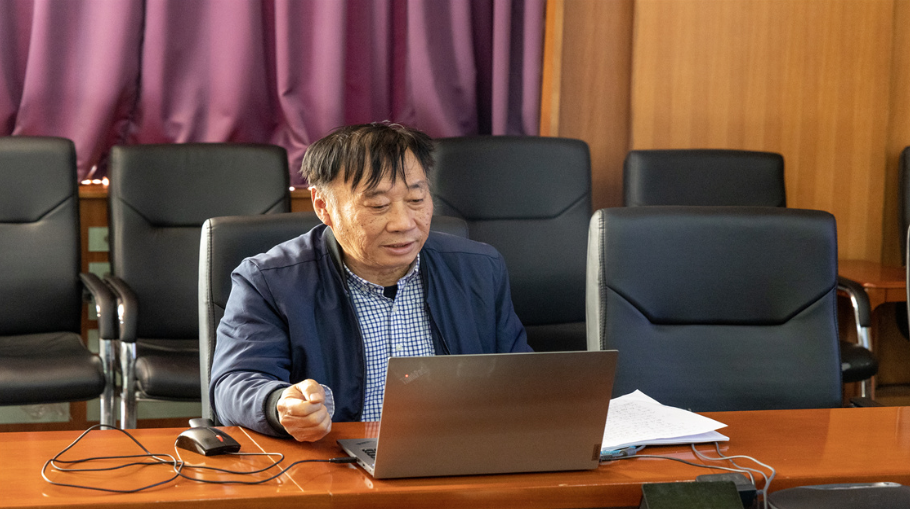
Following that, Dr. Hu Yanpeng presented his research on the dynamics modeling and flight control of micro aerial vehicles. Using micro fixed-wing aircraft as an example, he elaborated on dynamics modeling, sequential control, guidance and control design, and the coordinated design of guidance laws, while explaining the key technologies and technical challenges involved.
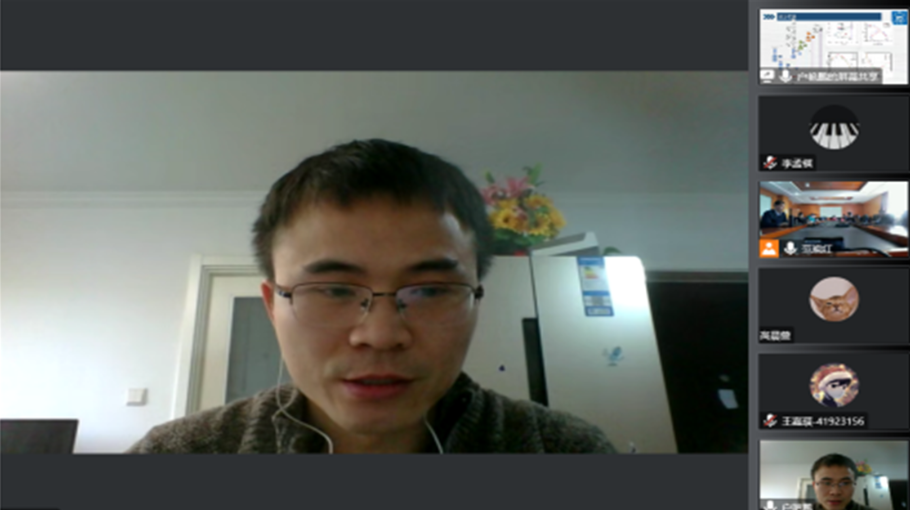
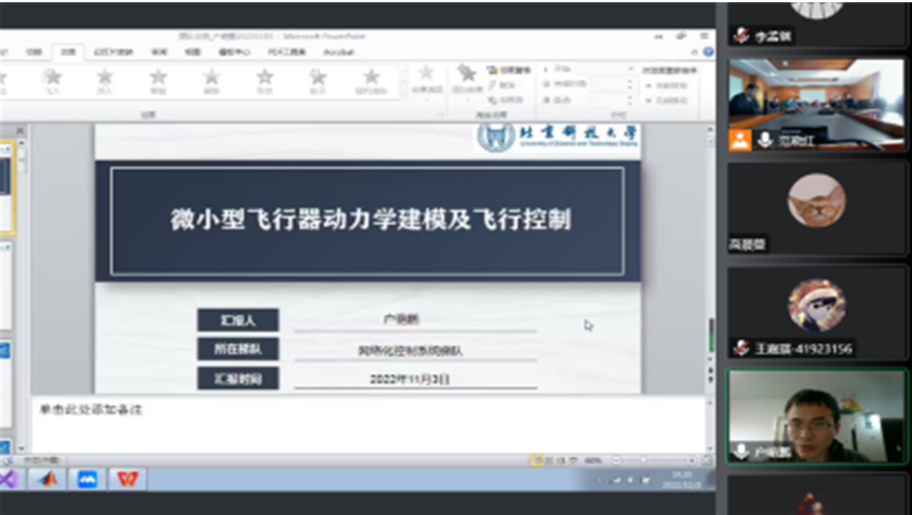
The two reports were both informative and engaging, offering profound insights from different disciplines and perspectives. The lively atmosphere reflected the audience’s enthusiasm, and the attending faculty and students greatly benefited from the in-depth academic exchange.